Reverse Osmosis Water Systems Explained
Learn how our multi-stage filtration systems purify your water before it arrives at your water cooler.
Request a QuoteWhy Reverse Osmosis Is the Best Choice for Your Office Water Cooler
We can confidently say:
Our reverse osmosis systems purify your water before a drop of water ever reaches your water cooler, which ensures the highest end‑to‑end water purity, instead of just filling it up with lower quality “filtered” water.
The multi‑stage process significantly reduces the impurities that simple filters leave behind (e.g., chlorine, dissolved metals, fluoride, high TDS).
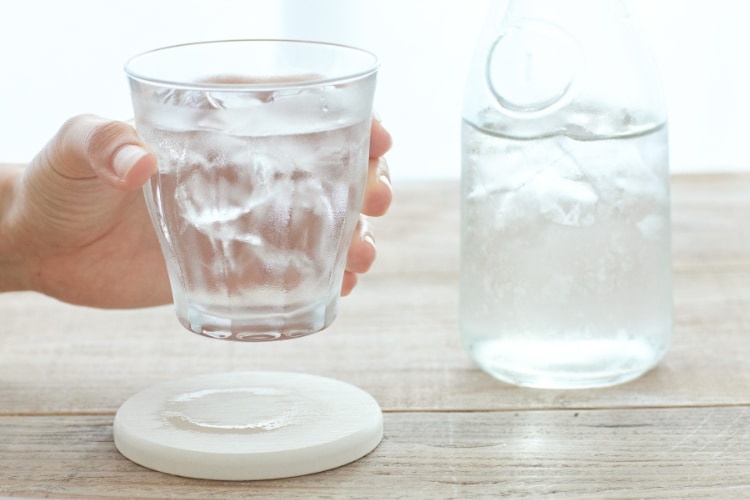
The post‑carbon polishing stage also ensures great taste and clarity, consistently offering “wine‑glass-worthy” water.
Purifying at the source keeps your water cooler pristine, fresh, and bottle-free!
The Purification Process
Unlike basic carbon filters, multi-stage reverse osmosis systems strip away microscopic impurities, chlorine, and heavy metals.
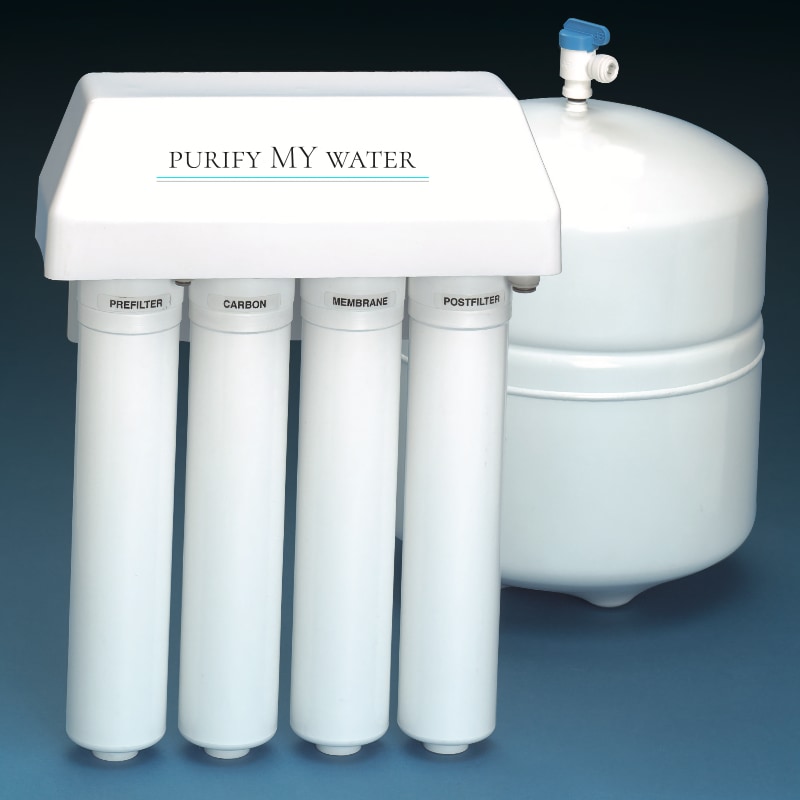
Learn how our 4-stage filtering process transforms municipal tap water into pure, wine-glass-worthy water for your entire workplace.
How Reverse Osmosis Purification Works: A Basic Overview
Stage 1: Sediment Filter
Removes dirt, rust, and other particles so the water starts off clean.
Stage 2: Pre-Carbon Filter
Reduces chlorine, odours, and chemicals to protect taste and system performance.
Stage 3: Reverse Osmosis Membrane
The “heart” of the system, which removes heavy metals, fluoride, nitrates, Total Dissolved Solids (TDS), and more.
Stage 4: Post-Carbon Filter
Polishes the water for that final, fresh taste.
How Reverse Osmosis Purification Works: Extended Version
Stage 1: Sediment Filter (5 Micron)
This filter captures larger physical particles in the incoming water, such as dirt, sand, rust, silt, or other sediment. By removing these first, it protects the more delicate carbon filters and the reverse osmosis membrane downstream.
Stage 2: Pre-Carbon Filter (Activated Carbon Block / GAC)
After the sediment is removed, the water passes through a high-quality activated carbon filter. This stage reduces chlorine, tastes, and odors, and helps protect the reverse osmosis membrane from damage caused by chlorine and other chemicals. It may also reduce some Volatile Organic Compounds (VOCs).
Stage 3: Reverse Osmosis Membrane
This is the core purification stage. The semi-permeable reverse osmosis membrane removes dissolved inorganic solids and a wide range of contaminants, including heavy metals, fluoride, nitrates, and TDS. It’s certified to significantly reduce substances such as lead, fluoride, cadmium, barium, chromium, radium, selenium, and more.
Post-Carbon Filter (Polishing Filter)
After reverse osmosis treatment, the water passes through a final carbon filter that “polishes” it, removing any residual tastes or odors and enhancing the final clarity and freshness of the water.
Total Dissolved Solids
When it comes to water quality, clean isn’t always the same as pure.
Even water that looks and tastes fine can contain invisible dissolved minerals, metals, and other impurities known as Total Dissolved Solids (TDS).
Total Dissolved Solids: The Basics
Total Dissolved Solids (TDS) refers to the total dissolved inorganic substances in water, including minerals, salts, metals, and more.
TDS is measured in parts per million (ppm), and a lower TDS level results in purer, cleaner, better-tasting water.
Edmonton Tap Water
Average TDS of 180 to 220 ppm.
Filtered Water (Basic Carbon)
Average TDS of 150 to 200 ppm.
Reverse Osmosis Purified Water
Average TDS of 5 to 20 ppm.
Our Goal for You
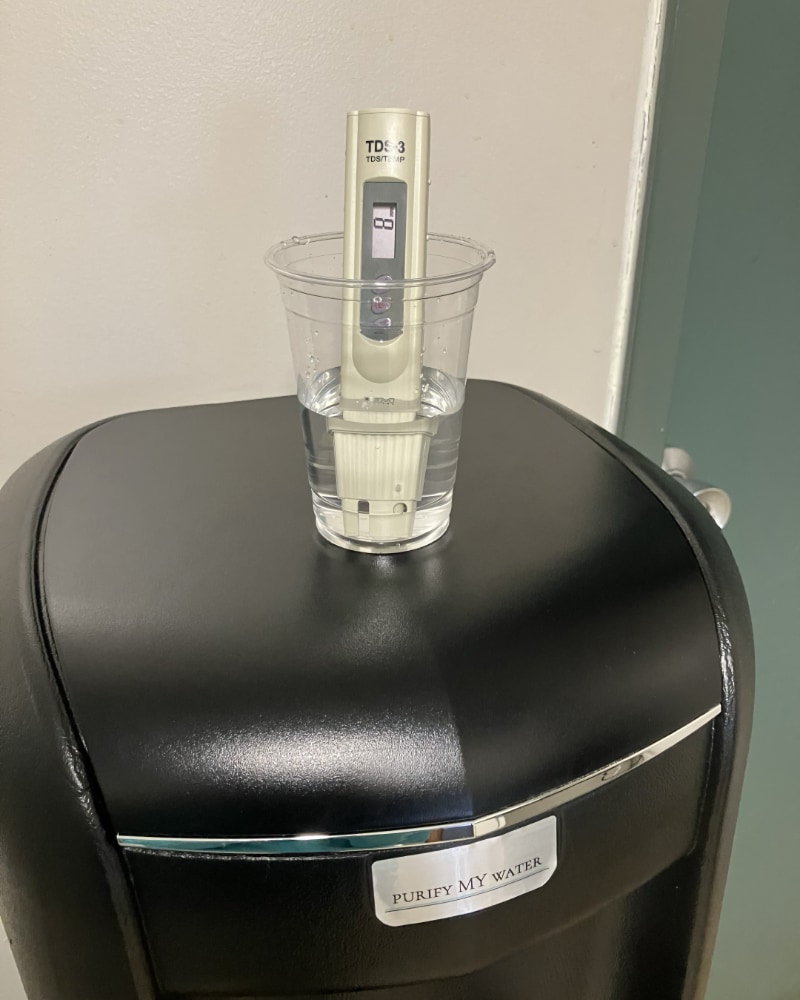
We always test TDS levels, and our goal is always a TDS of less than 20 ppm, in order to ensure that your water system is performing at its best!
How Reverse Osmosis Purification Works: Extended Version
TDS, measured in parts per million (ppm), represents the total concentration of dissolved substances, from calcium and magnesium to trace contaminants like lead or nitrates. A high TDS can affect taste, odour, and purity, and over time it can even cause buildup inside your water cooler.
TDS is how we measure water purity, and we use a TDS tester to check the performance of your reverse osmosis system. This simple digital test ensures your system is performing at its best.
Our goal is to keep TDS below 20 ppm, far lower than typical tap water in Edmonton, which often ranges from 180 to 220 ppm. For comparison, even most standard carbon filters output water with readings well above 100 ppm.
Reverse osmosis dramatically reduces these dissolved solids, giving cleaner, fresher, better-tasting water. By monitoring TDS, we make sure your system delivers exceptional quality water for you every day!
Why Does TDS Matter?
Low TDS means your water is truly purified, not just filtered. It’s the difference between simply “filtered” water and water that’s “wine-glass-worthy.”
Frequently Asked Questions
Yes, it does taste better, because the taste of water is directly affected by the presence of dissolved solids and impurities. By removing these unwanted elements, reverse osmosis leaves you with clean, crisp, refreshing water. No aftertaste. No odours. Just pure hydration.
Absolutely! Reverse osmosis is a highly effective purification process that removes impurities and contaminants from your water, making it safe, clean, and great-tasting. Our focus is on giving you consistently pure water that you can trust, straight from your cooler.
Reverse osmosis is one of the most effective ways to remove a wide range of contaminants, including chlorine, fluoride, heavy metals, salts, and even microscopic particles. Our multi-stage systems ensure that your water is thoroughly purified before it reaches your glass.
Reverse osmosis membranes are capable of removing bacteria and many viruses due to their extremely fine pore size. Carbon filtration stages also help to improve the taste of the water, and also to reduce chemical contaminants, supporting overall water quality.
Reverse osmosis water has a very low mineral content, and we focus on providing fully purified water, removing impurities at the source for the cleanest, freshest taste. While some minerals in water can be absorbed by the body, most essential minerals come from the food you eat, so drinking purified water every day is completely safe and healthy.
We don’t add a re-mineralization filter to our systems because doing so would add dissolved solids back into the water. This makes it difficult for us to accurately test the Total Dissolved Solids (TDS) so that we can ensure that our reverse osmosis system is performing at its peak. By keeping the water fully purified, we can guarantee consistently clean, great tasting water every time.
Reverse osmosis naturally lowers pH values slightly because it removes minerals, but this change is mild and safe. The moment the water interacts with the air or is consumed by you, the pH balance returns to normal. What matters most is the purity and safety of the water that you drink.
Because we’re using Edmonton municipal water and a reverse osmosis system, we replace the filters once per year. Edmonton’s water quality is consistent, and reverse systems only need scheduled annual filter changes to maintain peak performance. This keeps maintenance simple and predictable, and it ensures that you continue getting clean, great-tasting water all year round.
This isn’t normally an issue, and we also complete a pre-installation visit for every client because the difficulty of the installation depends on where the cooler will be placed and how far we need to run the water line. By checking these details in advance, we ensure that the day of the installation goes smoothly, with minimal disruption. Once everything is set up, the system operates quietly and reliably.
Impurities are flushed away through a separate ‘reject’ line, which keeps the reverse osmosis membrane clean and operating efficiently. This process ensures that your system always performs at its best, delivering consistently pure, fresh-tasting water.